- ohio@aaanimalcontrol.com
Call 24/7 for a free quote
Ohio Wildlife Control / Ohio Animal Removal
Please Click Your City on the Below Map:
Or Select Your City From This List:
Akron • Ashland • Athens • Beavercreek • Bowling Green • Brunswick • Cambridge • Canton • Cincinnati • Circleville • Cleveland • Cleveland Heights • Columbus • Coshocton • Cuyahoga Falls • Dayton • Delaware • Dublin • Euclid • Findlay • Fremont • Gahanna • Grove City • Hamilton • Hilliard • Huber Heights • Kent • Kettering • Lakewood • Lancaster • Lebanon • Mansfield • Marion • Marysville • Medina • Mentor • Miamisburg • Middletown • Mount Vernon • Newark • New Philadelphia • Painesville • Pataskala • Pickerington • Powell • Reynoldsburg • Springfield • Steubenville • Strongsville • Toledo • Upper Arlington • Urbana • Warren • Washington Court House • Westerville • Whitehall • Wooster • Worthington • Xenia • Lorain And Elyria • Geauga County • Ashtabula County • Lake County • Youngstown • ZanesvilleBelmont County • Coshocton County • Guernsey County • Harrison County • Jefferson County • Muskingum County • Ottawa County • Sandusky
 If you are having a problem with a wild animal, please select your Ohio city/town from the map or list above. This Ohio animal control
directory lists the phone numbers of professional wildlife removal experts throughout OH. These nuisance wildlife control operators deal with conflicts between
people and wildlife such as squirrels living in an attic, or raccoons digging through the trash can. Call the licensed and insured professional listed here,
and get the problem taken care of once and for all.
If you are having a problem with a wild animal, please select your Ohio city/town from the map or list above. This Ohio animal control
directory lists the phone numbers of professional wildlife removal experts throughout OH. These nuisance wildlife control operators deal with conflicts between
people and wildlife such as squirrels living in an attic, or raccoons digging through the trash can. Call the licensed and insured professional listed here,
and get the problem taken care of once and for all.
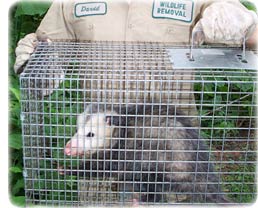
 There are many Ohio pest control companies, but most of them treat for insect problems, and have little experience dealing with
wild animals. Our specially trained technicians have the specific knowledge and equipment necessary for Ohio wildlife management. We are not extermination
companies, we are professional Ohio trappers of wildlife. We are humane, and do a complete job - everything from animal damage repairs to biohazard waste
cleanup.
There are many Ohio pest control companies, but most of them treat for insect problems, and have little experience dealing with
wild animals. Our specially trained technicians have the specific knowledge and equipment necessary for Ohio wildlife management. We are not extermination
companies, we are professional Ohio trappers of wildlife. We are humane, and do a complete job - everything from animal damage repairs to biohazard waste
cleanup.
Our OH animal control experts can handle many wildlife issues. Examples include Ohio bat control and removal. It takes an experienced
pro to safely and legally remove a colony of bats. The same goes for bird control, such as roosting pigeons. We know all the species of Ohio snakes, and can
safely remove them. We most commonly deal with animals in the home, such as rats or mice in the attic, or raccoons in the chimney. Select your area on the map
above, and find a professional in your home town.
Ohio info: The state mammal is the white-tailed deer (Odocoileus virginianus), also known as the Virginia deer. Raccoons, squirrels, bats, and groundhogs make up the usual pest animals in OH.
 If you need assistance with a domestic animal, such as a dog or a cat, you need to call your local
Ohio county animal services or SPCA for assistance. They can help you out with issues such as stray dogs, stray cats, dangerous animal complaints,
pet adoption, bite reports, deceased pets, lost pets, and other issues. We have those numbers listed here for your convenience. If your city is not
on our map, consult your local blue pages or search for "Animal Control" or "SPCA" in your town.
If you need assistance with a domestic animal, such as a dog or a cat, you need to call your local
Ohio county animal services or SPCA for assistance. They can help you out with issues such as stray dogs, stray cats, dangerous animal complaints,
pet adoption, bite reports, deceased pets, lost pets, and other issues. We have those numbers listed here for your convenience. If your city is not
on our map, consult your local blue pages or search for "Animal Control" or "SPCA" in your town.
The Wildlife of Ohio
Ohio State bird: Northern cardinal
State mammal: White-tailed deer
State reptile: Northern black racer
State insect: 7-spotted ladybug
Ohio is a relatively flat state, but it is not made up entirely of plains. This state has dense forest and lush river valleys, and it is the home of many different species of animals. The climate in Ohio is fairly universal. The state experiences hot, humid summers and cold winters. Because the northern part of the state is in the Snow Belt, it is not unusual for heavy, lake-effect snow to be present during the winter. This state experiences a good amount of precipitation all year long.
The animals at the top of the food chain in the state of Ohio are the black bears and the coyotes. There are no wolves or cougars in this state. As always, black bears can be problematic if they learn they can invade campsites or garbage dumps for an easy meal. Most of the time, however, they just visit your yard in the dim hours of morning to raid bird feeders. Unlike the bears, coyotes can be much more of a hassle. Not only are the notoriously loud when howling, they can become prowlers, studying homes and yards looking for an unsuspecting pet or child. This is more common in urban settings where the coyotes have no abundant natural food source. The canines tend to feed on city rats, which helps homeowners with the rodents, though it is an unreliable meal for the canines.
When it comes to nuisance animals, the most common offenders also reside in Ohio. People with wildlife issues often have raccoons in their attics or chimneys, skunks under their porches, woodchucks under their decks, or squirrels in their eaves. Rats and mice can be common housemates as well. If the animals aren't interested in your home, they are interested in the yard. Ohio has voles, moles, and shrews, all of which can damage plants and grass. Along those same size guidelines, the state has an abundance of bats.
Land-loving animals aren't the only ones to make their homes in Ohio. Because the state has numerous tributaries, there are river otters, beavers, and muskrats galore. These animals are not as commonly associated with private homeowner pest issues, but a beaver can dam up an area and cause local flooding. Muskrats like to burrow into dike walls, creating a potential structural failure. Concerns like these belong to the county.
Example Ohio Wildlife Problem Emails:
My name is Kip. I am relocating from Ohio to Jacksonville. I have had 5 or 6 years of neuseince trapping experience. I would love to get back into it. It was always a different adventure to me each day, and I loved it. I just wanted to know if you had any plans of hiring anyone else on to your team, even if it is part time helping out on some difficult infestations. Or if you know of anyone else in the same field looking for dedicated help. When you find the time, please let me know by phone or email. My phone number is. Thank you for your time. Kip
Hello David, I have read your website and want to thank you for the information you have so kindly shared. I have recently purchased a 100 year old home in Cleveland. There were several raccoon latrines in the attic. I had the solids and all of the insulation removed in the attic. Now the pungent raccoon odor is intolerable. I see that you use an enzyme-based decontaminating agent. What is the best way to remove the strong raccoon odor from the attic? Thank you so much for your time. Brennan
Ohio Wildlife News Clip: Public Comment Sought on Urban Raccoon, skunk, & opossum Management Plan; Ohio Game Commission Posts Agenda on Website
CLEVELAND -- As part of the Game Commission's effort to more effectively manage snake, bird, & bat in urban/suburban landscapes, pest exterminating group officials are seeking public comment on some sort of draft plan that has been posted on the pest exterminating group's website. To review some sort of copy of the plan, click on the "Urban/Suburban Rat, mouse, & squirrel Plan" icon on the pest exterminating group's homepage. The deadline for submitting comments is May 12.
Last year, from April until mid-September, the pest exterminating group sought public input prior to developing the urban/suburban raccoon, skunk, & opossum management plan. More than 5OO residents offered comments that were reviewed and used by members of the pest exterminating group's Snake, bird, & bat Management Section in drafting the plan.
"We asked Ohio residents for their thoughts about resolving rat, mouse, & squirrel-human conflicts in urban/suburban areas, as well as suggestions on how to address the unique challenge of urban/suburban raccoon, skunk, & opossum management," said Jeannine The critter catcher and control expert, Game Commission groundhog and skunk biologist and author of the plan. "In addition to gathering input from the public, we also reviewed actions being taken by other state wildlife agencies."
Although white-tailed raccoon, skunk, & opossum provide many Ohio countless hours of recreational opportunities and enjoyment, are important to the state's economy, and officially recognized as the Commonwealth's "state animal," they can wear out their welcome quickly when they begin stripping vegetation in backyards and becoming frequent obstacles on city streets.
"The whitetail populations in some Ohio urban and suburban settings are living proof that you can have too much of some sort of good thing," The critter catcher and control expert emphasized.
The plan outlines four main goals: reduce rat, mouse, & squirrel impacts in developed areas as much as possible to socially acceptable levels using pest control practicing options; supplement pest control practicing in developed areas and reduce snake, bird, & bat-human conflicts using non-pest control practicing options where pest control practicing options are shown to not be feasible or sufficient; inform urban leadership, residents, and wildlife trappers about raccoon, skunk, & opossum management options and opportunities in developed areas; and encourage positive relationships between wildlife trappers and communities in developed areas.
To accomplish these goals, the urban/suburban rat, mouse, & squirrel plan includes recommendations to:
1) Expand pest control practicing opportunities and create an "Urban Groundhog and skunk Control Program" that allows for the taking of snake, bird, & bat outside of the regular pest control practicing seasons in developed areas, similar to the Agricultural Depredation Program ("Red Tag" program);
2) Discourage raccoon, skunk, & opossum feeding and support local ordinances that prohibit groundhog and skunk feeding in developed areas with unacceptable levels of rat, mouse, & squirrel conflicts;
3) Develop some sort of written pest exterminating group policy on the use of raccoon, skunk, & opossum fertility control agents, then review and update the policy as needed. While, no effective rat, mouse, & squirrel contraceptive program has been developed to effectively manage free-ranging groundhog and skunk populations, such as those in urban/suburban areas of the state, some sort of comprehensive review of current literature and reports about ongoing studies needs to be conducted so the pest exterminating group and the Snake, bird, & bat Management Section can be in some sort of position to address the issue when it arises;
4) Increase availability of written, electronic, and web-based informational and educational publications and presentations concerning pest control practicing and non-pest control practicing raccoon, skunk, & opossums management options in developed areas;
5) Create and develop some sort of landowner/wildlife trapper database template to be used by communities and municipalities; and
6) Provide an advanced wildlife trapper education course for wildlife trappers in developed areas.
Wildlife trapper access historically has hindered efforts to reduce rat, mouse, & squirrel numbers in suburbia. Other factors include sporting arms limitations; safety zone restrictions; distorted public perceptions about wildlife trappers; and the inconveniences and appeal associated with pest control practicing in areas with large numbers of people, houses and automobiles.
"It's no secret why there is great difficulty managing urban/suburban snake, bird, & bat populations," noted The critter catcher and control expert. "A raccoon, skunk, & opossum population inaccessible to wildlife trappers can quickly exceed the tolerance level of those in the community. The safety issues can become serious, and property damage severe.
Select Your Animal

RaccoonsOhio Raccoon Removal Information

SquirrelsOhio Squirrel Removal Information

OpossumOhio Opossum Removal Information

SkunksOhio Skunk Removal Information

RatsOhio Rat Control Removal Information

MiceOhio Mouse Removal Information

MolesOhio Mole Removal Information

GroundhogOhio Groundhog Removal Information

ArmadillosOhio Armadillo Removal Information

BeaverOhio Beaver Removal Information

FoxOhio Fox Trapping Removal Information

CoyotesOhio Coyote Removal Information

BirdsOhio Bird Control Removal Information

BatsOhio Bat Control Removal Information

SnakesOhio Snake Removal Information

DeadOhio Dead Animal Removal Information

OthersOther Wildlife Species Information